
Beyond the Hustle: How to Fuel Your Body, Calm Your Mind, and Live with True Purpose
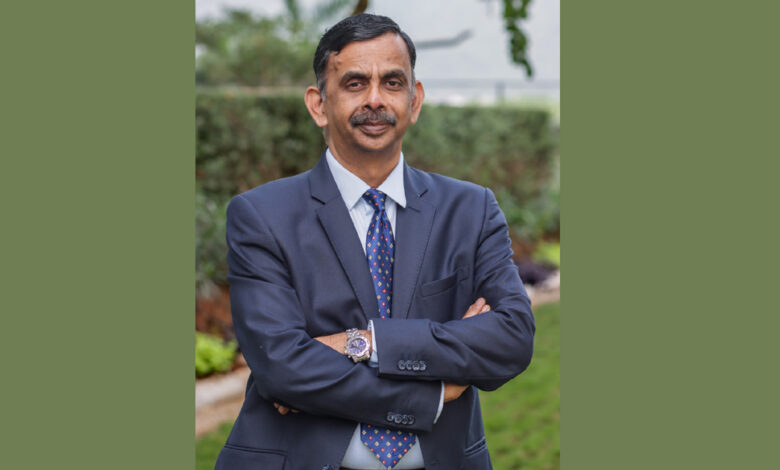
By – Pankaj Belwariar, Director Communications, SRM University-AP
In the relentless pace of modern life, most people are running on empty — physically drained, mentally scattered, and emotionally exhausted. Yet very few pause to ask the most fundamental question: **What truly gives us energy?


The answer lies not in another cup of coffee or a productivity hack, but in three ancient pillars of human vitality — the right food, quality sleep, and conscious breath**. When these three are aligned and supported by a calm, present mind, the result is something extraordinary: a life lived from a place of clarity, joy, and purpose.
This article explores how to nourish your body, calm your mind, and awaken your soul — so you can live each day in what we call the “Happy State of Mind (HPSM)”
Three Pillars of Energy
FOOD – You are what you eat
Food is far more than fuel. It is information. Every meal you eat sends signals to your brain, your hormones, and your cells. The right food builds energy, clarity, and emotional stability. The wrong food creates inflammation, brain fog, and fatigue.
Here’s what nourishing food does for you:
- Stabilizes blood sugar— preventing energy crashes and mood swings
- Feeds the gut-brain axis — since nearly U0% of serotonin (the happiness hormone) is produced in the gut
- Reduces inflammation — which is directly linked to anxiety and depression
- Fuels mitochondria — the energy factories of your cells
What to embrace:
- Fresh fruits, vegetables, whole grains, nuts, and seeds
- Healthy fats like avocado, olive oil, and omega-3 rich fish
- Hydration — even mild dehydration reduces focus and elevates cortisol (stress hormone)
What to limit:
- Refined sugar and processed foods that spike and crash your energy
- Excess caffeine that overstimulates the nervous system
- Late-night heavy meals that disrupt sleep quality
Think of food not just as something you eat to survive, but as medicine you take three times a day.
1. Sleep — The Ultimate Reset Button
Sleep is not laziness. It is the most powerful biological repair process your body and mind undergo every single day. During deep sleep, your brain literally cleans itself — flushing out toxic waste products through the glymphatic system.
What quality sleep does:
- Consolidates memory and supports learning
- Regulates emotions — sleep-deprived people are 60% more emotionally reactive
- Restores hormonal balance — including cortisol, insulin, and growth hormone
- Repairs muscles, tissues, and immune cells
Resets the nervous systemfor the next day.
Habits for better sleep:**
- Maintain a consistent sleep and wake time — even on weekends
- Avoid screens at least 60 minutes before bed
- Keep your room cool, dark, and quiet
- Practice a calming wind-down ritual — light stretching, journaling, or gentle breathing
- Aim for **7–U hours** of uninterrupted sleep per night
- A well-rested mind is a resilient mind. Sleep is not the end of your day — it is the beginning of your tomorrow.
2. Breath — The Bridge Between Body and Mind
Of all the pillars of energy, breath is perhaps the most overlooked — and the most powerful. Breath is the only autonomic function of the body that you can consciously control. This makes it a direct bridge between your thinking mind and your nervous system.
Why breath matters:
- Slow, deep breathing activates the parasympathetic nervous system (rest and digest), instantly reducing stress
- Shallow, rapid breathing triggers the “sympathetic nervous system” (fight or flight), increasing anxiety
- Conscious breathing increases oxygen to the brain, improving clarity and focus
- Pranayama (breath control) practices have been shown to lower blood pressure, cortisol, and heart rate
Simple breath practices to try:
- **4-7-8 Breathing**: Inhale for 4 counts, hold for 7, exhale for 8 — deeply calming
- **Box Breathing**: Inhale 4, hold 4, exhale 4, hold 4 — used by Navy SEALs for focus under pressure
- **Alternate Nostril Breathing (Nadi Shodhana)**: Balances left and right brain hemispheres
- **Diaphragmatic Breathing**: Belly breathing to engage the full lung capacity
You can go weeks without food, days without water, but only minutes without breath. Yet we rarely pay attention to it.
The Mind — The Wanderer Between Past and Future
The human brain is a magnificent organ — capable of extraordinary creativity, love, and wisdom. But it has one persistent habit that causes tremendous suffering: it rarely stays in the present.
The mind is almost always either:
- Replaying the past — ruminating over regrets, mistakes, failures, or painful memories
- Projecting into the future— worrying about what might go wrong, catastrophizing, feeling anxious about uncertainty
This constant mental time-travel is exhausting. Research suggests that the average person spends nearly 47% of their waking hoursthinking about something other than what they’re currently doing — and this mind-wandering is directly associated with unhappiness and stress
The past cannot be changed. The future has not arrived. The only place where life happens is
right now — in this moment.
Meditation — Returning to the Present
Meditation is not about emptying the mind. It is about **training the mind to return to the present**, again and again, with gentleness and awareness. Even just 5 to 10 minutes of daily meditation can:
- Significantly reduce cortisol (the stress hormone)
- Improve focus, memory, and decision-making
- Increase grey matter in the prefrontal cortex (the brain’s rational center)
- Reduce activity in the amygdala (the brain’s fear and stress center)
- Cultivate a lasting sense of inner peace and emotional balance
How to start meditating:
- Find a quiet spot and sit comfortably with your spine upright
- Close your eyes and bring your attention to your breath
- Observe the natural rhythm of each inhale and exhale
- When thoughts arise (and they will), simply notice them without judgment and return to the breath
- Start with 5 minutes and gradually increase over time
- Meditation doesn’t remove life’s challenges. It changes your relationship with them — from reactive to responsive.
HPSM — The Happy State of Mind
HPSM” stands for **Happy State of Mind** — and it is not a luxury. It is a necessity for a healthy, productive, and meaningful life.
A Happy State of Mind is not the absence of problems. It is the presence of inner stability, gratitude, and peace regardless of external circumstances.
What HPSM enables you to:
- Make clearer, wiser decisions
- Build deeper and more authentic relationships
- Perform better at work with creativity and focus
- Handle adversity with resilience and grace
- Experience life with genuine joy and presence
Practices that cultivate HPSM:
- Gratitude journaling — write 3 things you are grateful for each morning
- Acts of kindness — giving to others is one of the fastest paths to inner happiness
- Spending time in nature — reduces cortisol and restores mental clarity
- Social connection — meaningful relationships are the 1 predictor of long-term happiness
- Physical movement — exercise releases endorphins, nature’s mood elevators
- Purposeful living— doing work and activities that align with your values
Factors That Disturb the Mind & Increase Stress
Understanding what steals your peace is just as important as knowing what builds it. Here are the key disruptors of a Happy State of Mind:
Ego — The Greatest Enemy of Peace
The ego is the voice in your head that constantly compares, judges, and separates. It whispers:
“I am better than them,”*or “I am less than them,” or “I must prove myself.” Ego-driven living leads to:
- Constant comparison and envy
- Fear of failure and obsession with image
- Inability to forgive or let go
- Conflict in relationships
- A deep sense of inner emptiness despite outer success
Transcending egomeans shifting from “What can I get?” to *”What can I give?”— from self-importance to self-awareness.
Other Key Stress Triggers:
- Overcommitment — saying yes to everything and burning out
- Digital overload— endless scrolling that overwhelms the nervous system
- Toxic relationships — people who drain rather than uplift your energy
- Lack of boundaries — not protecting your time, energy, and mental space
- Financial anxiety — unmanaged money stress that consumes mental bandwidth
- Suppressed emotions — unexpressed feelings that fester into chronic stress
- Lack of purpose — living without direction or meaning
- Comparison culture — measuring your life against others’ highlight reels
The Integration of Body, Mind & Soul
The highest form of human wellbeing is not found in treating the body, mind, or soul in isolation — but in their complete integration
| Dimension | Nourished By | Expression |
| Body | Right food, quality sleep, movement, breath | Vitality, health, physical energy |
| Mind| Meditation, learning, stillness, present-moment awareness | Clarity, focus, emotional balance
| Soul | Purpose, service, gratitude, love, connection | Meaning, fulfillment, inner peace | When all three are aligned:
- You act from values, not fear
- You speak from love, not ego
- You live from purpose, not habit
- You respond to life’s challenges from strength, not reaction
This integration is not a destination — it is a daily practice A commitment to showing up — for yourself and for the world — with intention, compassion, and awareness.
Conclusion — A Life Well-Lived Begins Within
The secret to a meaningful and purposeful life is not found in external achievement, status, or material wealth. It begins in the quiet place within — in the food you choose to nourish yourself, the sleep you honor, the breath you consciously take, and the mind you gently train to return, again, to the beauty of this present moment.
Live in your body. Quiet your mind. Awaken your soul.
Choose the Happy State of Mind — not as an emotion that depends on circumstances — but as a way of being that you cultivate each day.
The present moment is the only moment available to us, and it is the door to all moments.
Start today. Take a deep breath. Eat something nourishing. Rest well tonight. And tomorrow — choose happiness, consciously.






Very relatable and useful content. Thank you.